Luxury Interior Design Checklist: Room-by-Room Guide

Luxury Home Interior Design Checklist for Elegant Living
A polished luxury home comes down to a repeatable set of decisions: proportion, palette, materials, lighting, and finishing details. This room-by-room checklist turns modern glam, classic elegance, Art Deco flair, and contemporary minimalism into practical steps—so each space feels intentional, cohesive, and elevated without feeling overdone.
Start With a Luxury Baseline: The Five Non-Negotiables
- Define the mood in 3 words (examples: “quiet, tailored, warm” or “glam, bold, polished”) to prevent style drift.
- Choose a disciplined palette: 1 main neutral, 1 secondary neutral, 1 accent color, and 1 metal finish (mixing metals is optional but should be deliberate).
- Prioritize scale and negative space: fewer pieces, better pieces; keep clear circulation paths and breathing room around hero items.
- Build the material story: pair matte with gloss (stone + lacquer), soft with structured (bouclé + brass), and warm with cool (oak + marble).
- Layer lighting in every room: ambient + task + accent, each on separate switches or dimmers when possible.
Quick Style-to-Decision Map (Pick One Primary Direction)
| Style direction | Signature shapes | Materials & finishes | Best accents |
|---|---|---|---|
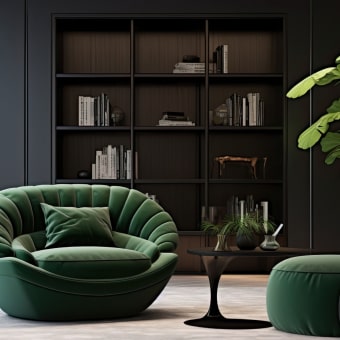
| Modern glam | Curves, plush silhouettes | Velvet, mirrored details, polished nickel/brass | Statement chandelier, high-contrast art, luxe throws |
| Classic elegance | Symmetry, refined profiles | Marble, tailored upholstery, antique gold | Framed art, molding, coordinated pairs (lamps/chairs) |
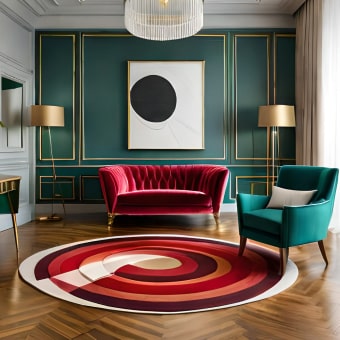
| Art Deco | Geometry, stepped forms, arches | Lacquer, inlay, brass, smoked glass | Sunburst motifs, bold rugs, graphic wall accents |
| Contemporary minimalism | Clean lines, low visual noise | Natural stone, light oak, matte black, linen | Sculptural object, textured neutrals, concealed storage |
Entryway: First Impression, Zero Clutter
- Anchor with one hero piece (console or bench) sized to the wall; avoid underscaled furniture that looks temporary.
- Add a mirror or artwork at eye level to amplify light and create instant polish.
- Use a tray or catchall to contain keys and small items; luxury reads as “nothing loose.”
- Upgrade hardware and lighting: one refined sconce pair or a compact statement pendant sets the tone.
- Finish with a runner that can handle traffic while still feeling elevated (dense weave, subtle pattern, or tonal texture).
Living Room: The “Gallery + Lounge” Balance
- Create a focal point (fireplace wall, media wall, or art wall) and keep competing features minimal.
- Select a main seating piece with correct scale: seat depth, arm height, and rug coverage should work together.
- Use a large rug to unify the zone; front legs of all main seating should sit on the rug for a tailored look.
- Add one sculptural accent (arched floor lamp, statement coffee table, or bold art) rather than many small decor items.
- Layer textures: velvet or bouclé, linen, wood, stone, and metal—repeating each material at least twice for cohesion.
Dining Room: Drama Through Proportion and Light
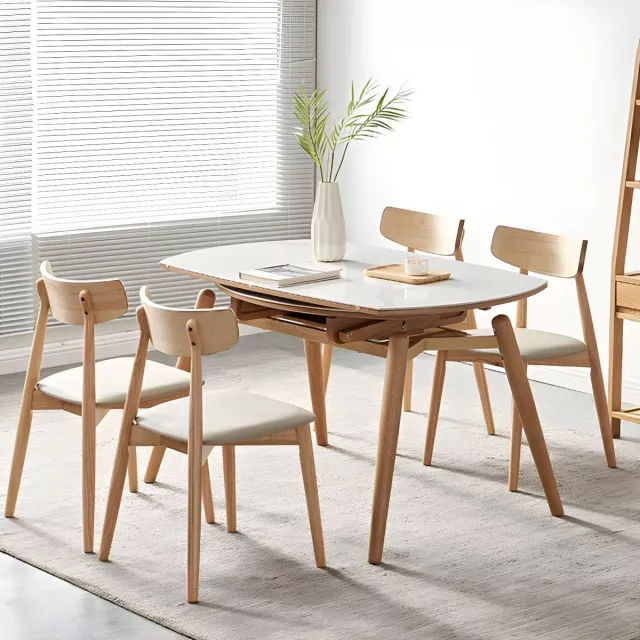
- Choose a table shape that respects circulation: round for tighter rooms, rectangular for longer rooms, oval to soften edges.
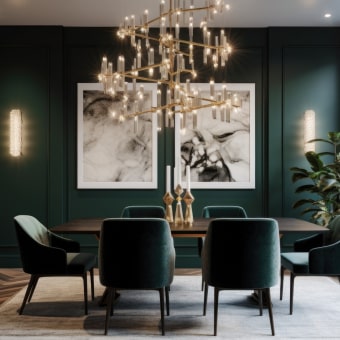
- Hang a chandelier centered on the table; size it to the tabletop, not the ceiling height alone.
- Add a mirror or art series to widen the visual field; keep frames consistent for a curated look.
- Bring in one premium surface moment (stone tabletop, lacquered sideboard, or high-quality upholstery).
- Set a repeat rule: repeat metal finish and wood tone at least twice across table, lighting, and storage.
Kitchen: Quiet Luxury, Not Visual Noise
- Simplify the countertop: store daily items in drawers; display only one beautiful object group (like a tray with matching bottles).
- Upgrade touchpoints: pulls, faucet, and lighting deliver outsized impact compared to clutter decor.
- Balance warm and cool: if cabinets are warm wood, consider cooler stone; if cabinets are cool, add warmth via stools or textiles.
- Use under-cabinet lighting for a hotel-like glow and better task visibility. For lighting best practices and professional standards, see the International Association of Lighting Designers (IALD).
- Align finishes: pick one dominant metal; if mixing, keep one finish as 70% and the second as 30%.
Bedroom: A Boutique-Hotel Checklist
Bathroom: Spa Finish With Reflective Details
- Prioritize lighting and mirrors—clarity and glow define luxury more than accessories. If you’re ready to elevate the daily routine, consider an upgraded statement mirror like the LED lighted anti-fog vanity mirror.
- Unify towels and bath textiles in one tone family; display them folded or rolled for a resort feel.
- Contain everyday items in trays, canisters, or drawers; leave surfaces largely clear.
- Add one standout feature: upgraded mirror, sculptural sconce, or refined hardware.
- Introduce subtle shine (glass, polished stone, or metal) balanced by matte texture (honed stone, plaster, or soft textiles).
For spacing, clearances, and practical planning considerations, consult the National Kitchen & Bath Association (NKBA) guidelines.
Finishing Touches That Make the Home Feel Custom
If Art Deco is your primary direction, keep the geometry crisp and the accents intentional; a helpful overview is available via Encyclopaedia Britannica — Art Deco.
Downloadable Checklist: A Room-by-Room Guide to Keep Decisions Consistent
For a ready-to-use, room-by-room format, the Luxury Home Interior Design Ideas Checklist (digital download) makes it easier to keep every decision consistent—from palette discipline to the final styling edit.
FAQ
What makes a home feel luxurious without a full renovation?
Edit visual clutter, upgrade lighting, and keep finishes cohesive—then spend strategically on a few hero pieces (a larger rug, bold art, or a statement light). Correct scale and layered textiles do more for “expensive” than extra decor.
How can modern glam and contemporary minimalism work together?
Start with a minimal base—clean-lined furniture, concealed storage, and a tight palette—then add controlled glam through one metal finish, one glossy surface, and one sculptural light. The key is restraint: fewer accents, higher impact.
What are the most common mistakes that make a room look less expensive?
Underscaled rugs and art, too many small decor pieces, mismatched metals, harsh cool lighting, visible cords, crowded surfaces, and weak alignment (like off-center frames or uneven curtain heights) can quickly cheapen the look.










Leave a comment